
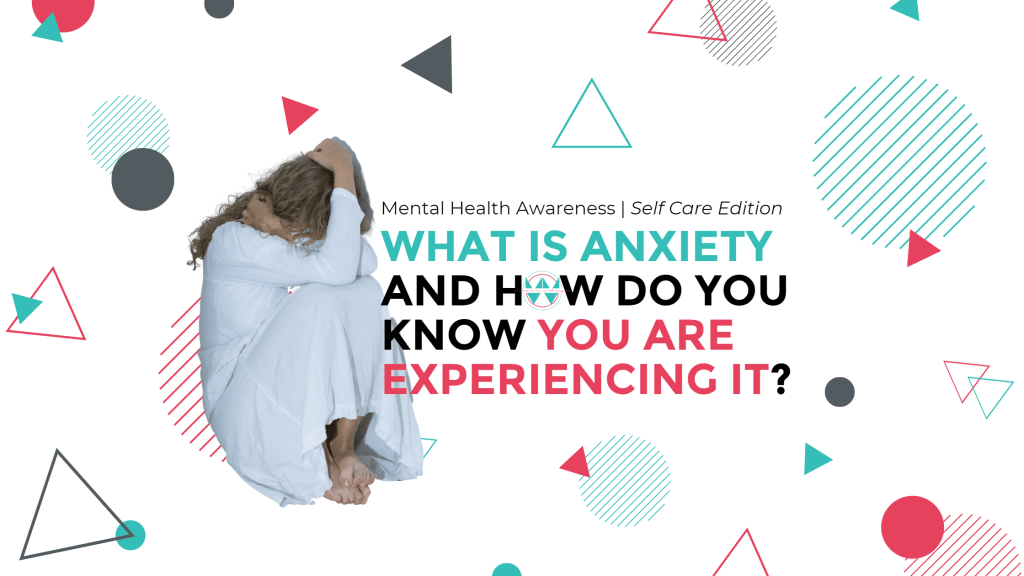
In today’s fast-paced world, it’s crucial to prioritize our mental well-being just as much as our physical health. Mental health awareness has gained significant attention in recent years, shedding light on the importance of recognizing and addressing issues such as anxiety. Anxiety, a common mental health condition, can affect individuals of all ages, backgrounds, and walks of life. This blog post aims to provide an understanding of anxiety, its symptoms, and how you can recognize if you are experiencing it. Additionally, we will explore some essential self-care strategies to help manage anxiety effectively.
Understanding Anxiety
Anxiety is a natural response to stress and can be a normal part of life. It serves as a mechanism that alerts us to potential threats, motivating us to take appropriate action. However, when anxiety becomes persistent, overwhelming, and interferes with daily life, it may be an anxiety disorder.
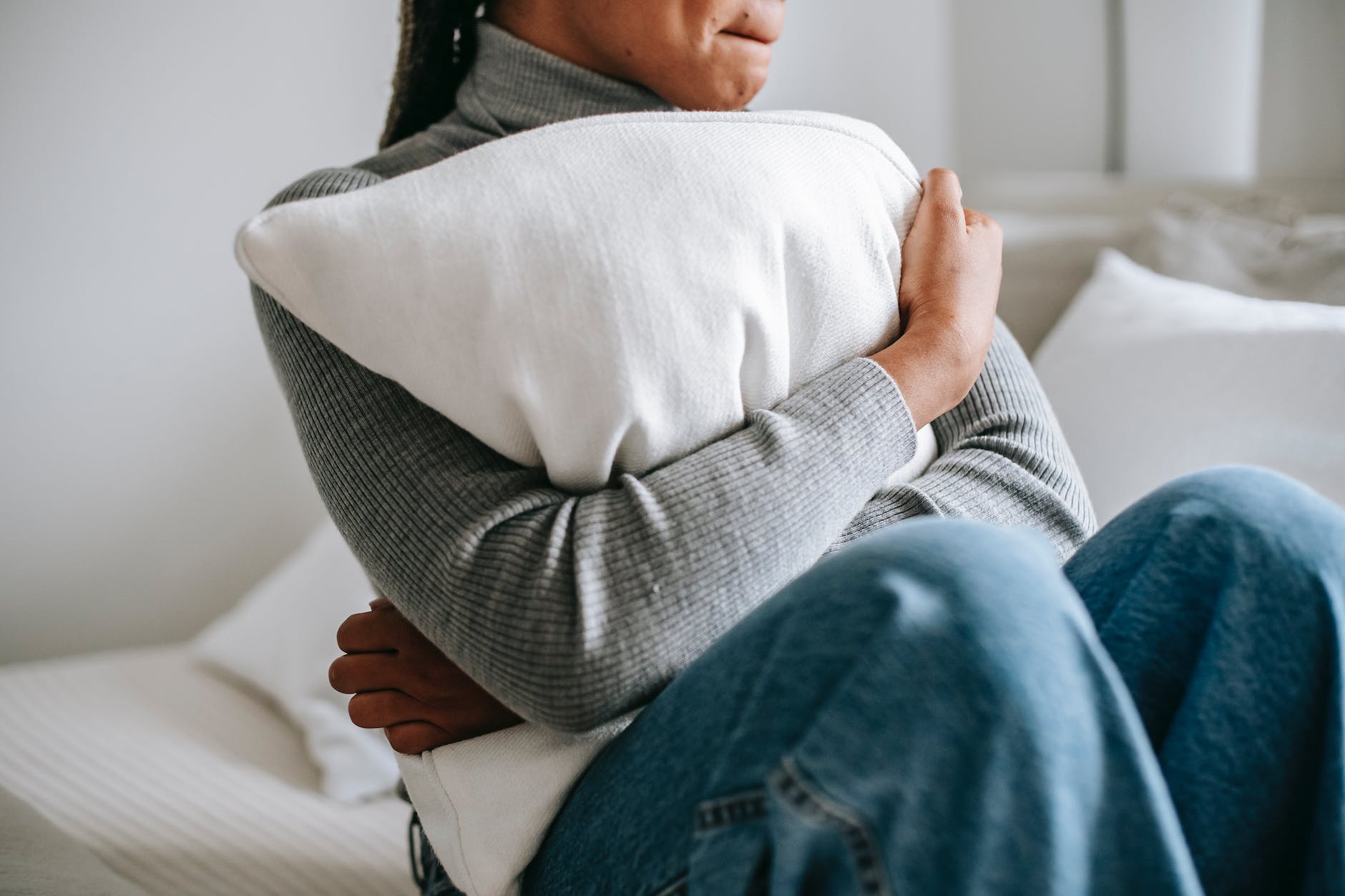
Anxiety disorders encompass a range of conditions, including generalized anxiety disorder (GAD), panic disorder, social anxiety disorder, phobias, and post-traumatic stress disorder (PTSD). While each condition has its unique characteristics, they share common features such as excessive worrying, fear, and physical symptoms that can significantly impact a person’s well-being.
Recognizing the Symptoms
Recognizing the symptoms of anxiety is the first step toward understanding whether you are experiencing it. Here are some common signs to watch out for:
- Excessive worry: Feeling worried or having a sense of impending doom, often without a specific cause or reason.
- Physical manifestations: Experiencing physical symptoms such as rapid heartbeat, sweating, trembling, shortness of breath, dizziness, or digestive issues.
- Sleep disturbances: Difficulty falling asleep, staying asleep, or having restless sleep due to racing thoughts or worries.
- Irritability and restlessness: Feeling on edge, agitated, or finding it hard to relax.
- Cognitive symptoms: Racing thoughts, difficulty concentrating or focusing, feeling overwhelmed, or experiencing racing thoughts.
- Avoidance behavior: Avoiding situations or places that trigger anxiety, leading to limitations in everyday activities or social interactions.
- Muscle tension: Feeling tense, having muscle aches or tension headaches.
- Changes in appetite: Experiencing changes in appetite, such as overeating or loss of appetite.
If you resonate with several of these symptoms, it’s essential to seek professional help to receive an accurate diagnosis and appropriate treatment.

Self-Care Strategies for Managing Anxiety
While seeking professional guidance is crucial for managing anxiety, there are various self-care strategies you can incorporate into your daily routine to support your mental well-being. Here are a few techniques that can be beneficial:
- Practice relaxation techniques: Engage in activities such as deep breathing exercises, progressive muscle relaxation, or mindfulness meditation to promote relaxation and reduce anxiety levels.
- Physical exercise: Regular physical activity can help reduce anxiety by releasing endorphins, improving sleep, and enhancing overall well-being. Find an exercise routine that suits your preferences and stick to it.
- Prioritize self-care: Carve out time for activities that bring you joy and relaxation. Whether it’s reading a book, taking a bath, spending time in nature, or pursuing hobbies, ensure you prioritize self-care regularly.
- Maintain a balanced lifestyle: Strive for a healthy balance between work, social life, and personal time. Establish boundaries, set realistic goals, and don’t forget to schedule breaks and downtime.
- Connect with others: Reach out to supportive friends, family members, or join support groups where you can openly discuss your feelings. Social connections can provide comfort, understanding, and a sense of belonging.
- Monitor your thoughts: Challenge negative thoughts and replace them with more positive and realistic ones. Engaging in cognitive-behavioral techniques can help reframe anxious thoughts and reduce their impact.
- Seek professional help: If anxiety persists or significantly interferes with your daily life, consider consulting a mental health professional. They can provide appropriate interventions, such as therapy, counseling, or medication, tailored to your specific needs.
Recognizing anxiety and its symptoms is the first step towards understanding your mental health. By acknowledging the signs and seeking appropriate support, you can embark on a journey of self-care and well-being. Incorporating self-care strategies into your daily routine can help manage anxiety effectively and enhance your overall mental health. Remember, you are not alone, and seeking help is a sign of strength. Let us prioritize mental health and support one another on this journey toward well-being.
 vinnavinz
Leave a comment